
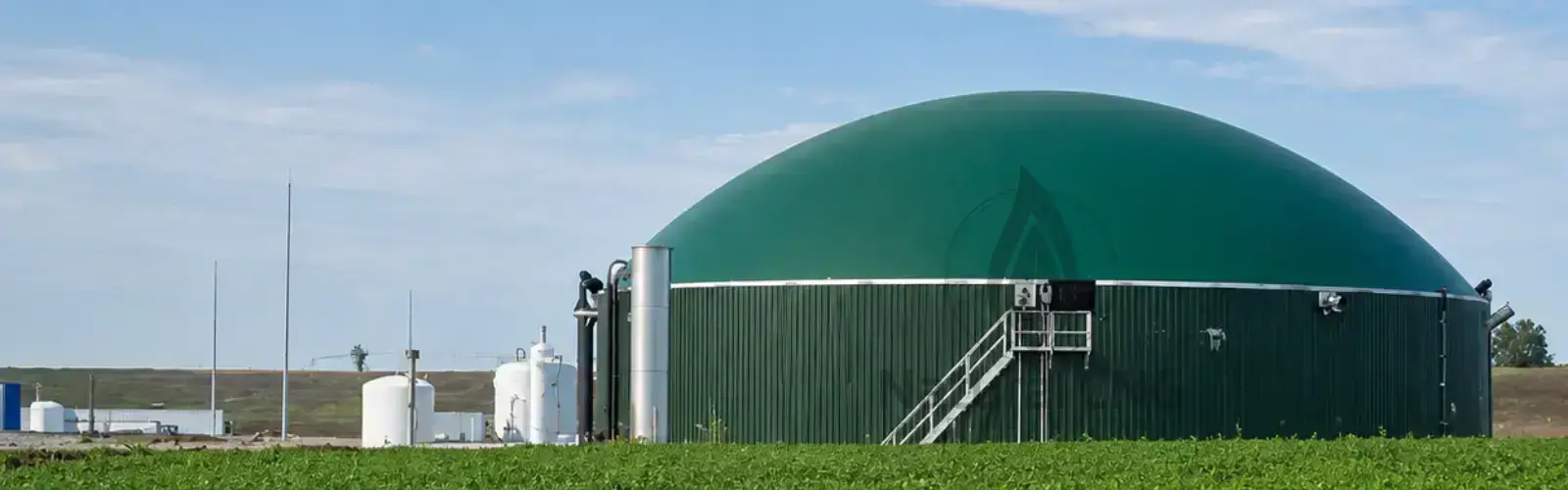
Biogas Plant Manufacturing Company in Delhi NCR, India
Everything you need to know about picking the top biogas plant manufacturer in India — covering technology options, capacity planning, costs, government subsidies, and the key factors to evaluate. Over the last ten years, India's biogas sector has expanded significantly, fueled by government programs such as the SATAT scheme, climbing energy prices, and a broader shift toward renewable energy sources. By 2026, the country is home to more than 5 million biogas plants, and demand for commercial and industrial-scale setups continues to climb at a rate of 15-20% each year.
Natural CNG Fitment Pvt Ltd is one of the leading bio gas plant manufacturers in India. We supply 22 sizes of fixed dome biogas plants from 2 TPD to 30 TPD. Each plant converts kitchen waste, cattle dung, and agro waste into clean biogas for fuel, power, and Bio CNG production. We are based in Delhi NCR and supply across India. Our biogas systems use proven Finnish Plug Flow reactor technology for higher gas yields from difficult waste. We hold PESO approval and comply with ISO 15500 and BIS standards. Our clients include Reliance New Energy, JBM Group, and other top Indian companies.
What is a Biogas Plant?
A biogas plant is a system that breaks down organic waste without oxygen. This process is called anaerobic digestion. Bacteria inside a sealed digester tank feed on the waste and produce biogas as a result.
Biogas is a mix of methane (CH4) and carbon dioxide (CO2). The methane makes it a useful fuel. Raw biogas contains about 55% to 65% methane. After purification, the methane level rises to 90% or higher. At that point, it becomes Bio CNG or compressed biogas (CBG).
The solid and liquid leftover from the process is called digestate. It is rich in nutrients and works as organic fertilizer for farms.
As a biogas manufacturing plant company in India, we supply the complete plant setup that turns your organic waste into fuel and fertilizer.
How a Biogas Plant Works?
Our biogas plants follow a proven 5-step process from waste to energy.
Step 1: Waste Collection and Pre-Processing
The plant receives organic waste such as kitchen waste, cattle dung, or agro waste. Large or tough waste is shredded and mixed to create a uniform feed. This step ensures smooth digestion inside the reactor.
Step 2: Feeding the Digester
The prepared waste enters a sealed digester tank. Our standard plants use a fixed dome design. For difficult waste like rice straw and municipal solid waste, we also offer Finnish Plug Flow reactor technology. The Plug Flow system handles tough feedstock without added water, which cuts operating costs.
Step 3: Anaerobic Digestion
Inside the digester, bacteria break down the organic matter without oxygen. This process takes 15 to 30 days depending on the waste type and temperature. The bacteria produce biogas that collects in the dome or gas holder above the digester.
Step 4: Biogas Collection and Use
The raw biogas flows out of the digester through pipes. At this stage it can be used directly for heating, cooking, or running a generator. For Bio CNG production, the raw biogas goes to a purification plant where CO₂, H₂S, and moisture are removed. We supply biogas purification plants from 200 to 3000 m³/hr with 90% methane purity using water scrubbing technology.
Step 5: Digestate Management
The leftover slurry exits the digester as digestate. It splits into liquid and solid fractions. Both are rich in nitrogen, phosphorus, and potassium. Farmers use digestate as organic fertilizer. This closes the loop and creates a zero-waste system.
Biogas Plant Capacities
As a top biogas plant manufacturers in India, we supply 22 sizes of biogas plants. Every biogas production plant uses fixed dome design as standard. All plants process kitchen waste, cattle dung, and agro waste. Here is TPD capacity table below -
| Plant Size | Waste Input (TPD) | Gas Output (m³/day) |
|---|---|---|
| 10 TPD Biogas Plant | 10 | 25 |
| 12 TPD Biogas Plant | 12 | 28 |
| 15 TPD Biogas Plant | 15 | 30 |
| 20 TPD Biogas Plant | 20 | 35 |
| 25 TPD Biogas Plant | 25 | 40 |
| 30 TPD Biogas Plant | 30 | 50 |
TPD means Tonnes Per Day of waste input. Gas output is measured in cubic meters per day at standard conditions. Prices are for standard fixed dome configuration. Custom sizes and Finnish Plug Flow configurations are available on request.
Our Biogas Technology Options
Fixed Dome Biogas Plant (Standard)
The fixed dome design is the most common biogas plant in India. It uses a sealed concrete or brick dome as both digester and gas holder. Gas pressure builds naturally as biogas collects in the dome. Fixed dome plants are simple, proven, and cost-effective. All 22 sizes in our catalog use this design as standard.
Fixed dome works best with soft, wet feedstock like cattle dung, kitchen waste, and food processing waste.
Finnish Plug Flow Reactor (Advanced)
For difficult waste like rice straw, agro residue, and municipal solid waste, we offer Finnish Plug Flow reactor technology. This system comes from our technology partner in Finland with over 15 years of biogas expertise and 30+ digesters installed worldwide.
The Plug Flow reactor offers clear advantages over fixed dome for tough feedstock. It needs no added water, which cuts operating costs. It uses less energy. It produces higher gas yields from the same amount of waste. It handles mixed and dry waste that fixed dome digesters struggle with. And it delivers stable, predictable gas output even when the feedstock mix changes from day to day.
A Plug Flow reference plant is already running in Haryana, India, processing rice straw and cow manure into biomethane.
What Waste Can a Biogas Plant Process?
Our biogas plants handle a wide range of organic waste. The right feedstock depends on your location, industry, and available waste streams.
Kitchen and Food Waste: Hotels, restaurants, canteens, food courts, and food processing factories produce large volumes of organic kitchen waste every day. This waste breaks down fast and produces high gas yields.
Cattle Dung and Animal Manure: Dairy farms, cattle sheds, and poultry farms generate steady waste. Cattle dung is the most common biogas feedstock in India. It digests easily and produces consistent gas.
Agricultural Waste and Crop Residue: Rice straw, wheat straw, sugarcane bagasse, corn stalks, and other crop residue can feed a biogas plant. Our Finnish Plug Flow technology handles this dry, tough waste better than fixed dome designs.
Municipal Solid Waste (Organic Fraction): Cities and towns generate large volumes of organic waste from households and markets. The organic fraction of municipal solid waste (OMSW) is a strong feedstock for large biogas plants.
Food Processing Industry Waste: Breweries, dairies, slaughterhouses, fruit and vegetable processing units, and sugar mills produce organic effluent and solid waste. Biogas plants turn this waste into fuel and cut disposal costs.
Sewage Sludge: Wastewater treatment plants produce sludge that can feed a biogas digester. The biogas offsets the plant's own energy needs.
Poultry Litter: Poultry farms produce litter rich in nitrogen. Mixed with other feedstock, it boosts biogas yield.
Applications of Biogas Plants
Biogas plants serve many industries across India. Here are the most common uses.
Waste-to-Energy Projects
Municipalities and private developers set up biogas plants to convert city waste into clean energy. The biogas powers generators or gets upgraded to Bio CNG for vehicle fuel. As a bio gas manufacturing plant supplier in India, we support waste-to-energy projects from 10 TPD to 400 TPD.
Bio CNG and CBG Production
Biogas plants are the first step in Bio CNG production. The plant produces raw biogas. A purification plant upgrades it to 90%+ methane. A compressor presses it to 250 bar. CNG cascades store it for transport or dispensing. We supply every part of this chain: biogas plant, purification plant, and CNG cascades.
Farm and Dairy Energy
Dairy farms and cattle sheds use biogas plants to turn animal waste into fuel. The biogas runs generators for on-site power. The digestate returns to the fields as organic fertilizer. Small farms start at 10 TPD. Large dairy operations go up to 100 TPD or more.
Industrial Fuel Replacement
Factories replace diesel and LPG with biogas or Bio CNG for boilers, furnaces, and heating. The switch cuts fuel costs and reduces carbon emissions. A biogas plant on the factory premises creates a self-sufficient fuel source from the factory's own organic waste.
SATAT Scheme Projects
The Government of India's SATAT initiative encourages entrepreneurs to set up CBG plants and sell compressed biogas to Oil Marketing Companies (OMCs) like IOCL, BPCL, and HPCL. A biogas plant with downstream purification and compression is the core of every SATAT project. We supply the complete equipment chain.
Power Generation
Biogas runs gas engines and generators to produce electricity. Our 100 kW biogas power generation plant uses a trusted Cummins genset at 415 V. It suits farms, food plants, and municipal facilities that want on-site power from waste.
Organic Fertilizer Production
Every biogas plant produces digestate as a by-product. This nutrient-rich slurry works as organic fertilizer. Some operators process and sell the digestate as a separate revenue stream, adding a second income to the biogas project.
How to Choose the Right Biogas Plant Size?
Picking the right plant size depends on three things: how much waste you produce, what type of waste it is, and what you plan to do with the biogas.
Step 1: Measure Your Daily Waste
Step 2: Know Your Waste Type
Step 3: Decide Your End Use
Step 4: Talk to Us
Biogas Plant and Bio CNG: The Full Value Chain
A biogas plant alone produces raw biogas. To turn it into Bio CNG or CBG, you need three more steps after the biogas plant.
Step 1: Biogas Purification. A purification plant removes CO₂, H₂S, and moisture from raw biogas. Our water scrubbing purification plants deliver 90% methane purity at capacities from 200 to 3000 m³/hr. Explore our biogas purification plant range.
Step 2: Compression. A compressor raises the purified gas to 250 bar or higher for storage and transport.
Step 3: Cascade Storage and Transport. CNG cascades store the compressed Bio CNG. Mobile cascades transport it to filling stations or industrial buyers. We manufacture CNG cascades from 1000 L to 5500 L in Type 1, Type 3, and Type 4 composite cylinders.
Key Government Schemes Supporting Biogas in India
India backs its biogas sector through a mix of central and state-level incentives. The SATAT scheme guarantees CBG entrepreneurs assured offtake by Oil Marketing Companies at ₹46/kg, aiming for 5,000 CBG plants by 2028. On the household side, the MNRE National Biogas Programme provides subsidies of ₹7,000-₹12,000, varying by state and category. The GOBARdhan Scheme further supports rural biogas adoption by linking cattle waste management with energy production. Many states layer on additional capital subsidies of 20-40%, while commercial biogas plants benefit from 80% accelerated depreciation in their first year under the Income Tax Act.
Frequently Asked Questions
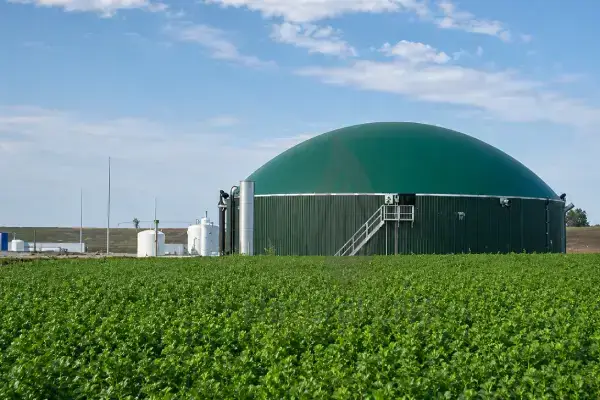
70 TPD Biogas Plant
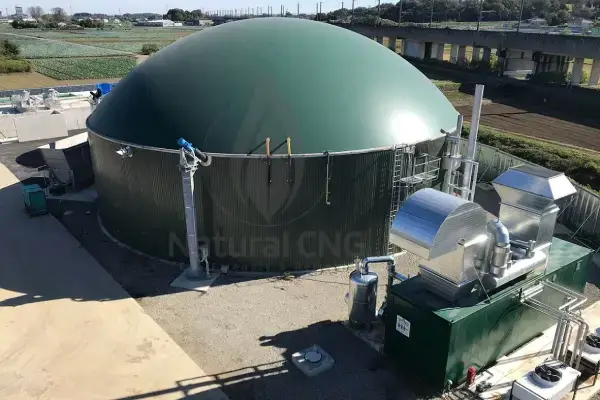
80 TPD Biogas Plant
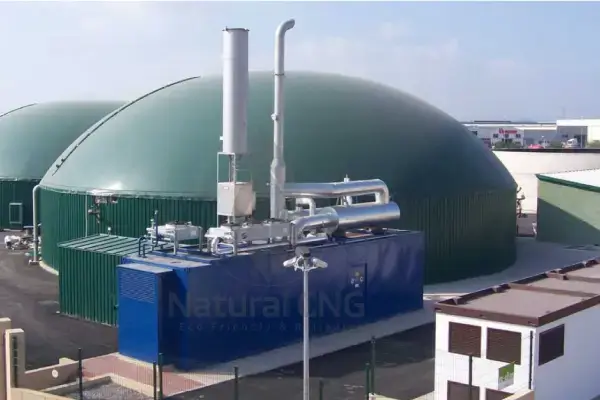
120 TPD Biogas Plant
320 TPD Biogas Plant
400 TPD Biogas Plant
45 TPD Biogas Plant
35 TPD Biogas Plant
100 TPD Biogas Plant
20 TPD Biogas Plant
15 TPD Biogas Plant
50 TPD Biogas Plant
30 TPD Biogas Plant
40 TPD Biogas Plant
10 TPD Biogas Plant
25 TPD Biogas Plant
12 TPD Biogas Plant
180 TPD Biogas Plant
150 TPD Biogas Plant
220 TPD Biogas Plant
200 TPD Biogas Plant
250 TPD Biogas Plant

